Travel Agencies & Tour Operators in Peru
Explore tour operators and travel agencies operating in Peru. Found 17 companies.
Tour Operator Companies













Peru Travel Guide: Andes, Amazon & Ancient Civilizations #
Peru is one of South America’s most compelling destinations, blending dramatic Andean landscapes, vast Amazonian rainforest, Pacific coastline and some of the continent’s richest archaeological sites. From Machu Picchu and the Nazca Lines to Lake Titicaca and the Amazon, the country supports a wide range of tour styles: classic culture and history itineraries, soft adventure, trekking, river cruises, community-based tourism and gourmet city breaks. fileciteturn6file0
For tour operators, Peru is a mature but still fast-evolving market. Strong air links, a deep hotel portfolio in key hubs and a growing roster of specialist ground handlers make it straightforward to build both group programs and tailor-made trips.
Why Choose Peru for Your Next Trip #
Peru works as a stand-alone destination or as a hub in a multi-country Andean circuit (e.g. Bolivia, Ecuador, Chile).
Key advantages for travellers and operators:
- Iconic “bucket list” sites – Machu Picchu, Sacred Valley, Lake Titicaca, Nazca Lines, Colca Canyon, Amazon lodges.
- High cultural depth – Inca and pre-Inca civilizations, colonial cities, vibrant Indigenous cultures and festivals.
- Exceptional biodiversity – Andes, coast and Amazon in one country, including some of the most species-rich areas on earth. fileciteturn6file0
- Strong tourism infrastructure – Domestic air network, well-developed circuits, wide range of hotels from simple hostels to luxury lodges.
- Renowned gastronomy – Lima and other cities are global food destinations, supporting culinary-themed itineraries.
Working with Peru-specialist operators listed in the World Tour Operators directory allows travellers to combine complex routes, secure high-demand permits (such as the Inca Trail), and access vetted guides, lodges and transport providers.
Regions of Peru #
Peru can be presented to travellers in a simple three-way division – Coast, Andes and Amazon – or in more detailed regional clusters. fileciteturn6file0
Coastal Peru #
Key hubs: Lima, Trujillo, Chiclayo, Ica, Paracas, Piura, Máncora.
- Desert landscapes with fertile river valleys and Pacific beaches.
- Major archaeological sites of pre-Inca coastal cultures near Trujillo and Chiclayo (e.g. Chan Chan, Moche temples). fileciteturn6file0
- Paracas National Reserve and Islas Ballestas for marine wildlife.
- Southern coastal desert for access to the Nazca Lines.
Andean Highlands #
Key hubs: Cusco, Arequipa, Puno, Huaraz, Ayacucho.
- High plateaus, deep canyons and snow-capped peaks, including the Cordillera Blanca and Colca Canyon. fileciteturn6file0
- Inca heartland around Cusco, Sacred Valley and Machu Picchu.
- Traditional Quechua and Aymara communities, especially around Lake Titicaca.
- Colonial cities such as Arequipa and Cusco with UNESCO-listed historic centres.
Amazon Basin #
Key hubs: Iquitos, Puerto Maldonado, Tarapoto.
- Lowland rainforest and river systems forming part of the wider Amazon basin.
- National parks and reserves including Manú, Tambopata and Pacaya-Samiria, among the world’s most biodiverse areas. fileciteturn6file0
- Jungle lodges, canopy walks, night wildlife excursions and river cruises.
Key Cities & Gateways #
Lima #
- Capital and main international gateway, on the central coast.
- Colonial and republican architecture in the historic centre, plus the coastal districts of Miraflores, Barranco and San Isidro.
- Leading gastronomy scene with world-ranked restaurants and diverse neighbourhood dining.
- Good base for day trips to Pachacamac, local vineyards and coastal viewpoints.
Cusco #
- Former capital of the Inca Empire and gateway to Machu Picchu and the Sacred Valley. fileciteturn6file0
- Cobbled streets, stonework, churches and plazas forming a compact, walkable historic core.
- High altitude (around 3,400 m) – an important acclimatisation stop for many itineraries.
Arequipa #
- Elegant city built with pale volcanic “sillar” stone, set beneath El Misti volcano.
- Notable for the Santa Catalina convent and city-centre architecture.
- Launchpad for two to three-day excursions to Colca Canyon.
Puno #
- Main access city for the Peruvian side of Lake Titicaca.
- Base for boat tours to the Uros floating islands and communities on Taquile and Amantaní.
Iquitos & Puerto Maldonado #
- Iquitos – large jungle city accessible only by air or river, gateway to northern Amazon reserves.
- Puerto Maldonado – closer to Cusco and Lima by air, used for 2–4 night lodge-based stays in the Tambopata area.
Signature Experiences in Peru #
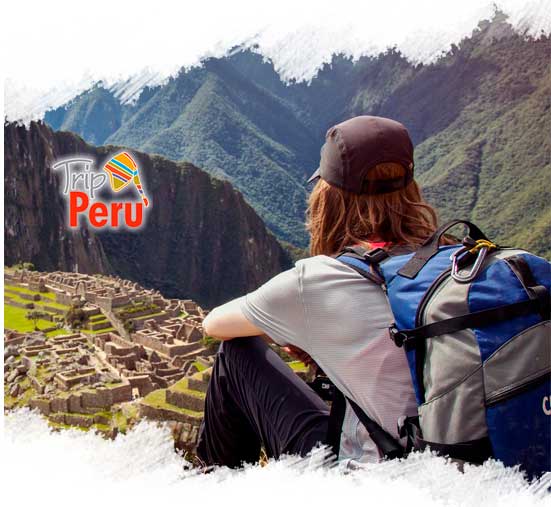
1. Machu Picchu & the Sacred Valley #
- Guided visit to Machu Picchu, arriving by train or after a multi-day trek.
- Exploration of the Sacred Valley: Pisac, Ollantaytambo, Chinchero and surrounding villages.
- Options for community visits, weaving demonstrations, and gentle hikes between sites.
For capacity-controlled products like the Inca Trail, working with licensed local operators is essential for securing permits and ensuring porter welfare.
2. Treks & High Andean Landscapes #
- Classic Inca Trail and alternative routes such as Salkantay and Lares.
- Multi-day treks in the Cordillera Blanca and Huayhuash ranges near Huaraz.
- Lodge-to-lodge routes and softer day hikes from bases in the Sacred Valley or Colca.
3. Lake Titicaca & Altiplano Culture #
- Boat trips from Puno to the Uros floating islands and traditional communities on Taquile or Amantaní.
- Opportunities for overnight homestays with Indigenous families, structured through community co-operatives.
- High-altitude scenery and cross-border combinations with Bolivia’s lakeside towns.
4. Amazon Lodges & River Journeys #
- 2–4 night rainforest lodge stays featuring canopy walks, night hikes and wildlife-spotting boat trips.
- Longer Amazon River cruises from Iquitos or other river hubs.
- Specialist birdwatching, botany and photography departures with expert naturalist guides.
5. Nazca Lines, Desert & Pacific Coast #
- Overflight of the Nazca Lines from Nazca or Pisco airstrips, often combined with Paracas.
- Boat excursions to the Islas Ballestas for sea lions, seabirds and coastal scenery.
- Surfing and beach stays in northern resorts such as Máncora, often as a trip finale.
6. Culture, Festivals & Food #
- Inti Raymi in Cusco, Virgen de la Candelaria in Puno, and numerous regional fiestas.
- Culinary-focused stays in Lima and other cities with market tours, cooking classes and restaurant curation.
- Textile, music and dance encounters in the highlands; Afro-Peruvian culture along parts of the coast.
Practical Travel Information #
Climate & Best Time to Visit #
Peru’s climate varies strongly by region rather than by strict seasons. fileciteturn6file0
- Coast – Generally mild and dry; Lima is often cloudy outside summer. Southern coastal desert is driest from roughly December to April.
- Andes – Two main seasons: dry (roughly May–September) with clear skies and colder nights; rainy (October–April) with afternoon showers.
- Amazon – Warm, humid and wet year-round, with higher river levels and more rain at certain times of year depending on sub-region.
For many classic itineraries (Cusco, Sacred Valley, treks, Lake Titicaca), the dry season is usually preferred, but shoulder months can offer good value and fewer crowds.
Entry & Formalities #
- Most travellers from the Americas, Europe and select other regions enter visa-free for short tourist stays; others require visas.
- Passport validity and onward-ticket requirements apply and should be checked against current Peruvian government guidance in advance.
Getting In #
- Main international gateway: Lima – Jorge Chávez International Airport (LIM) with connections across the Americas and to Europe. fileciteturn6file0
- Some regional international flights (e.g. to Cusco) operate from neighbouring countries.
- Land and river borders exist with Ecuador, Colombia, Brazil, Bolivia and Chile; long-distance buses link major cities across borders.
Getting Around #
- Domestic flights – Key for linking Lima with Cusco, Arequipa, Juliaca/Puno, Iquitos, Tarapoto and Puerto Maldonado.
- Long-distance buses – Extensive network ranging from basic services to premium sleeper coaches.
- Trains – Tourist-focused routes including services between Cusco, the Sacred Valley and Machu Picchu, and luxury trains between Cusco, Puno and Arequipa.
- Local transport – Urban taxis, ride-hailing in Lima, and informal minibuses (“colectivos”) in cities and regions. fileciteturn6file0
Health, Altitude & Safety #
- Major visitor zones have good tourism medical infrastructure, but remote trekking and jungle areas require additional precautions.
- Many classic sites, including Cusco and Lake Titicaca, are at high altitude; itineraries should build in acclimatisation days and manageable activity levels.
- Vaccinations and malaria prophylaxis may be recommended for certain Amazon regions; travellers should consult a travel health specialist.
- As in other Latin American countries, normal urban precautions apply against petty crime; reputable local operators and vetted transport help mitigate risk.
Sample Peru Itineraries with Tour Operators #
1. Classic Inca Highlights (8–10 Days) #
- Lima (1–2 nights) – historic centre and gastronomy.
- Fly to Cusco (2–3 nights) – acclimatisation, city tour, nearby ruins.
- Sacred Valley (2–3 nights) – Pisac, Ollantaytambo, village visits.
- Machu Picchu (1 night close to site, or day trip) – guided visit and free time.
2. Southern Peru Circuit (12–15 Days) #
- Lima – arrival and coastal highlights.
- Paracas & Nazca – Ballestas Islands and Nazca Lines overflight.
- Arequipa (2–3 nights) – city and Santa Catalina convent.
- Colca Canyon (1–2 nights) – condor viewpoints and highland villages.
- Puno / Lake Titicaca (2–3 nights) – island visits and homestay option.
- Optional extension to Bolivia or flight to Lima for onward travel.
3. Andes & Amazon (10–12 Days) #
- Lima – brief stop or overnight.
- Cusco & Sacred Valley (4–5 nights) – Inca sites and local culture.
- Machu Picchu – full-day or overnight visit.
- Fly to Puerto Maldonado or Iquitos for 3–4 nights in a rainforest lodge with guided activities.
4. Trekking & High Adventure (12–14 Days) #
- Lima – arrival night.
- Huaraz / Cordillera Blanca or Huayhuash (6–8 days trekking or mixed day hikes).
- Alternative: Salkantay or Lares trek around Cusco followed by Machu Picchu.
- Optional rafting, mountain biking or via ferrata add-ons in the Sacred Valley.
5. Northern Kingdoms & Beaches (10–12 Days) #
- Lima (1–2 nights).
- Fly or bus to Trujillo & Chiclayo – Moche and Chimú archaeological sites such as Chan Chan and nearby temples. fileciteturn6file0
- Continue to northern beaches around Máncora for 3–4 nights of relaxation, surfing or kitesurfing.
- Return via Piura or Tumbes to Lima or connect overland toward Ecuador.
Working with Peru Tour Operators #
Tour operators listed in the World Tour Operators directory who specialise in Peru can provide:
- Itinerary design & permits – Structuring realistic routes, securing limited trekking permits and managing seasonal variations.
- Local guides & specialists – Archaeology, history, high-mountain guiding, birding and Amazon naturalists.
- Community & conservation links – Partnerships with community-based tourism initiatives and conservation projects in highland and jungle regions.
- Logistics & risk management – Altitude-aware pacing, vetted transport providers, contingency planning for weather or strikes.
- Multi-country combinations – Peru with Bolivia (Lake Titicaca and Uyuni), Ecuador (Galápagos and highlands) or Chile (Atacama and north).
With the right Peru-focused partners, travellers can weave together classic icons and lesser-known regions – combining Andean culture, Amazonian biodiversity, Pacific coast deserts and one of Latin America’s most exciting food scenes into rewarding, well-paced journeys.